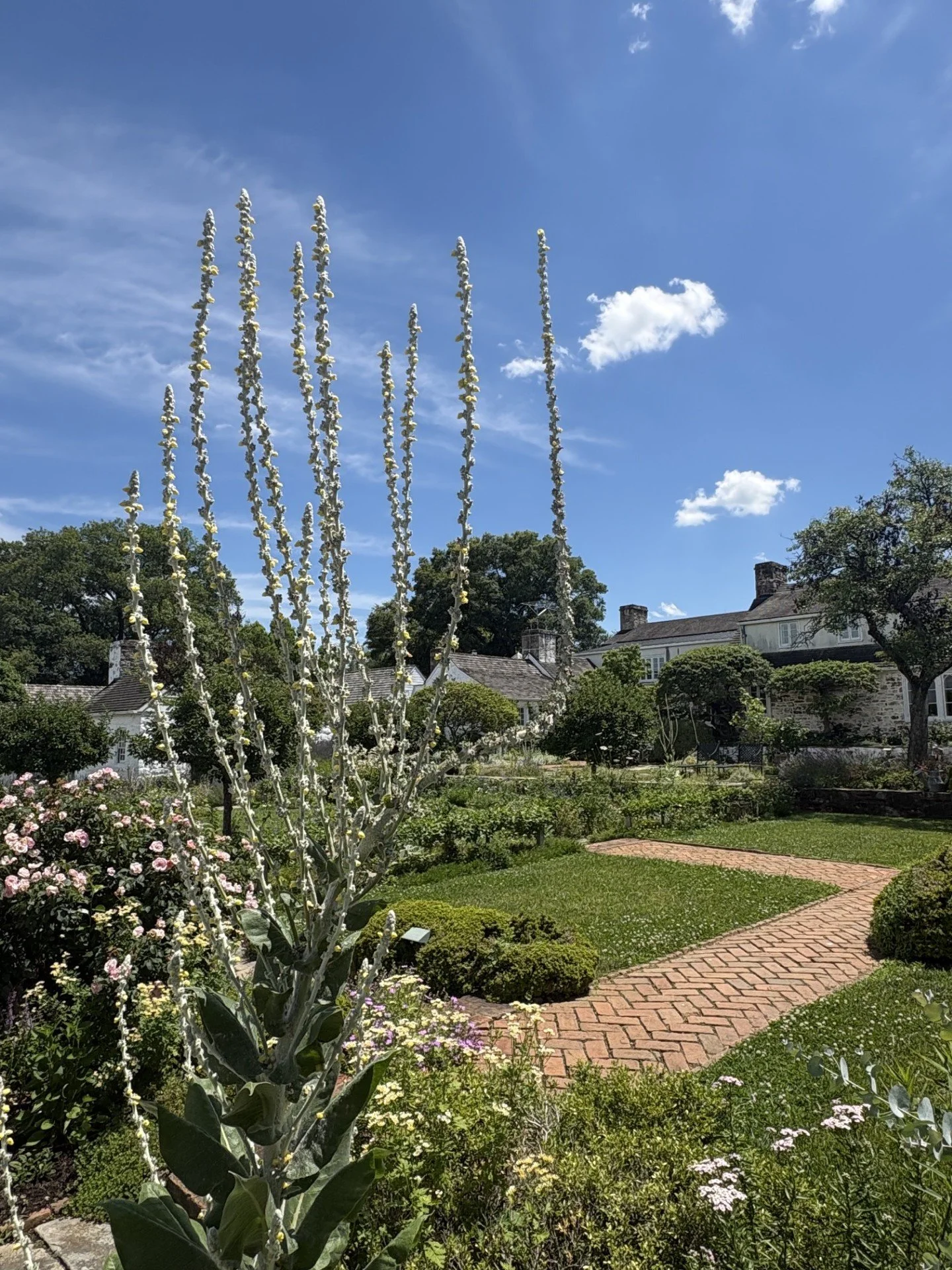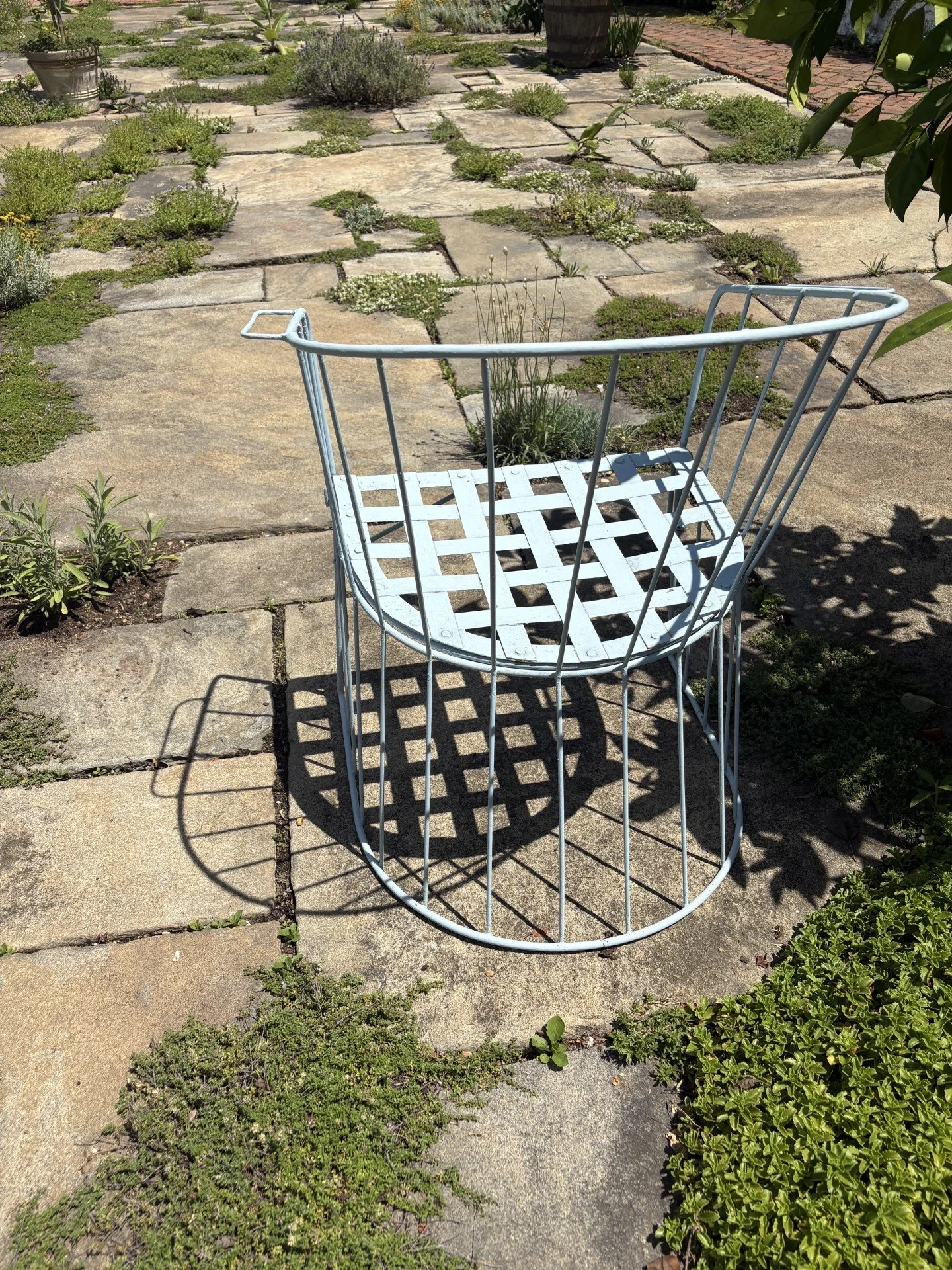
In 2024 my husband Andrew Hipp and I had just finished a book, Oak Origins, and we had been invited to talk to OSGF about it. During our short visit, we had dinner with artists-in-residence and students enrolled in a short course. It was from them that I learned of the Artists-in-Residence program. Andrew and I spent most of our time during that visit on the little spring side and exploring the formal gardens, library collections and the estate. I was struck by the pansies and mullein growing in the cracks of the formal garden. The mullein was growing well over eight feet tall and leaning into pathways, so it had to be stepped around or stooped under. Those moments of encountering a plant as an obstacle gave the formal garden a sense of humor, a sense of playing with the visitor.
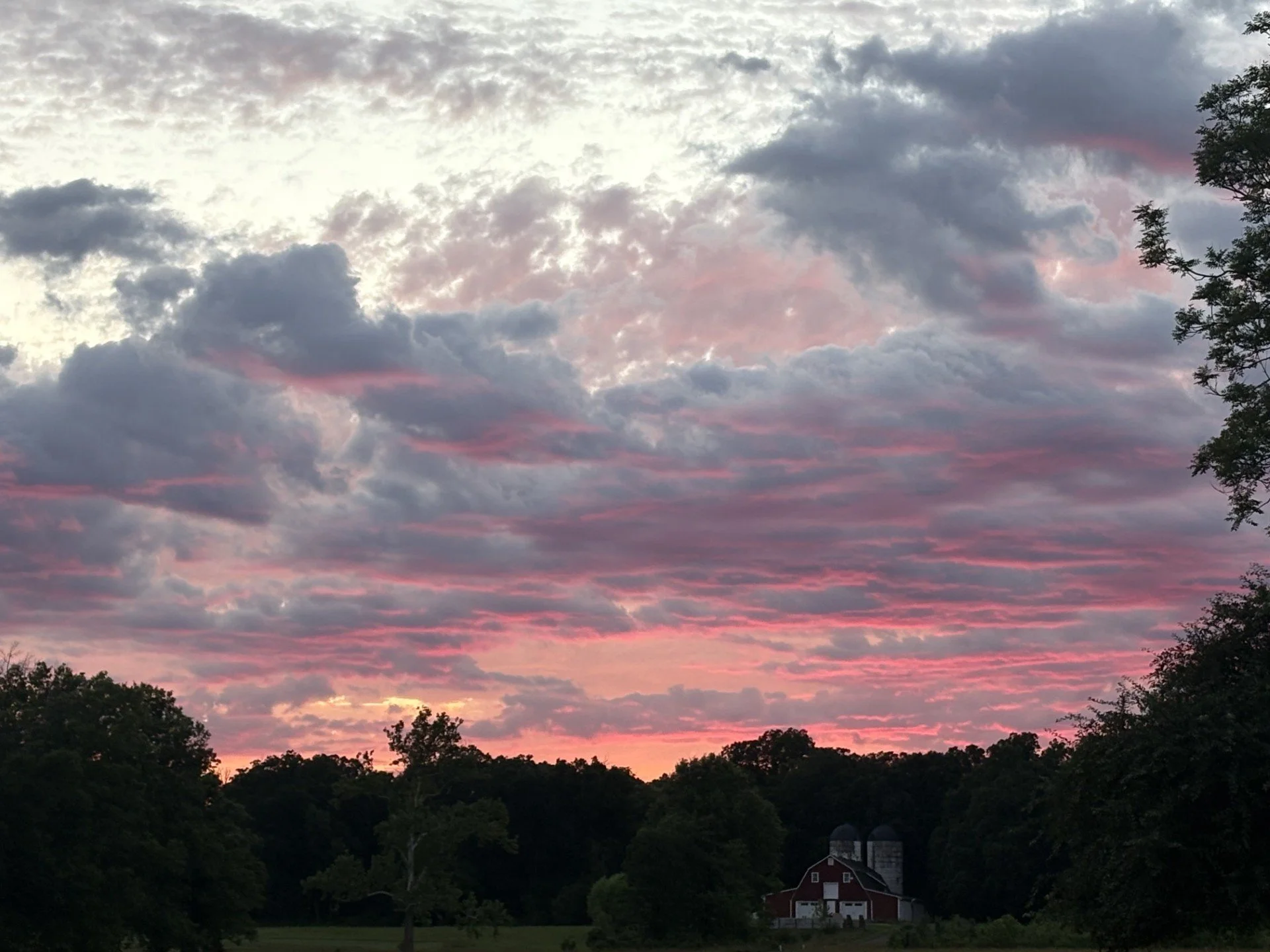
While I was in my five-week interdisciplinary artist-in-residence this summer (May/June Coneflower Cohort, 2026), I spent my time leaning into the beautiful setting, both the formal side of the estate and the Rokeby Farm side where the studios and houses were located.
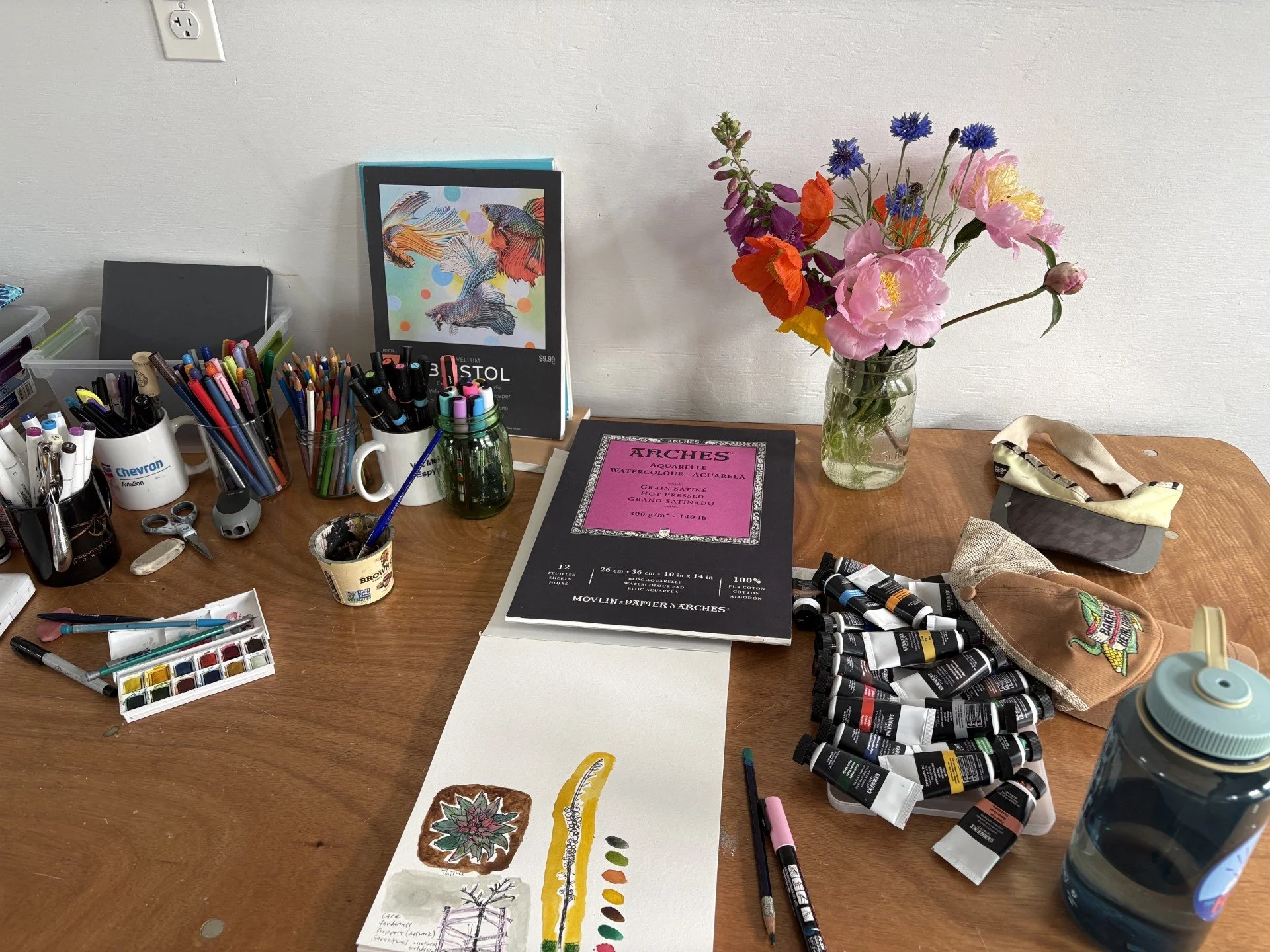
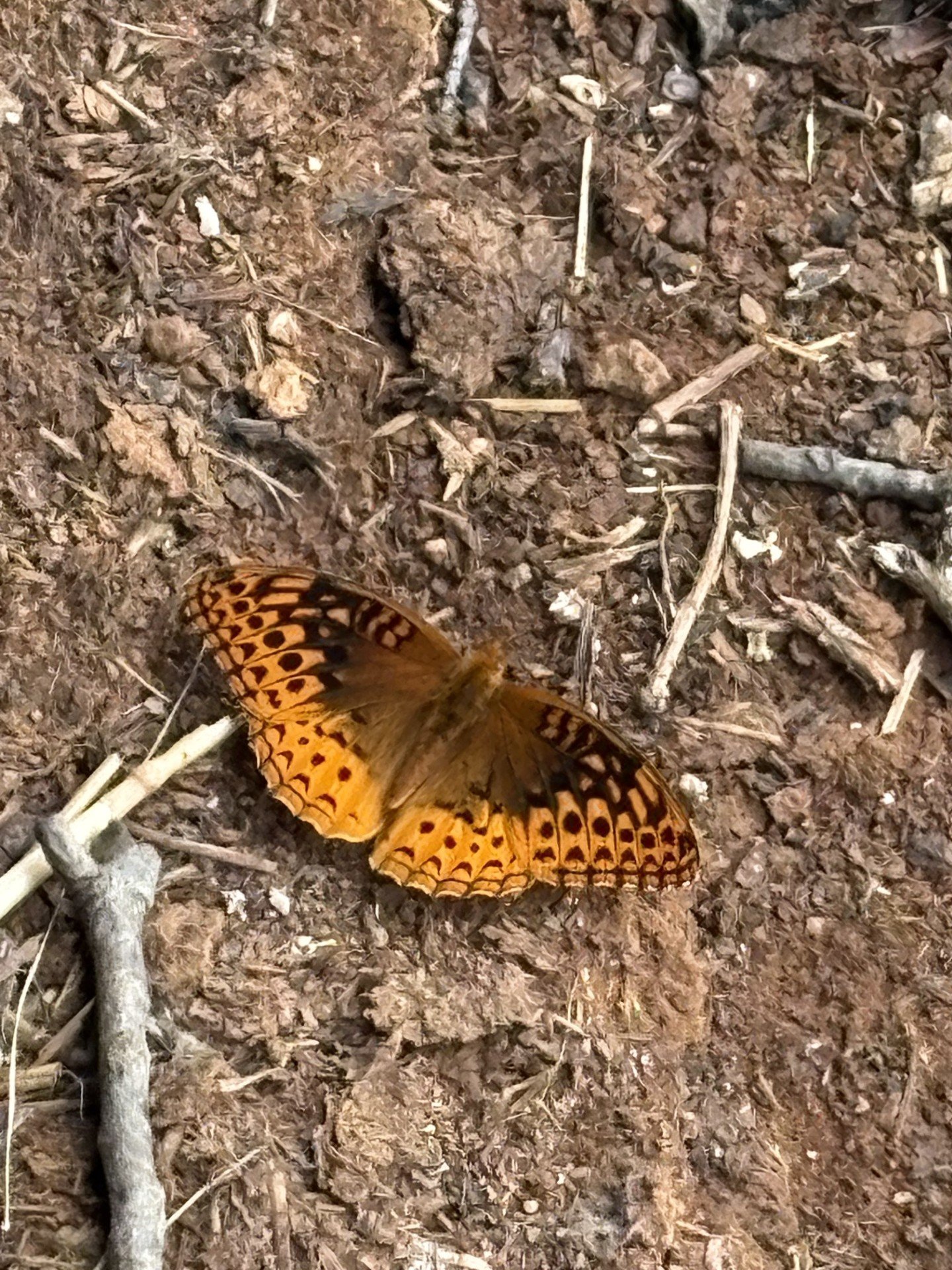
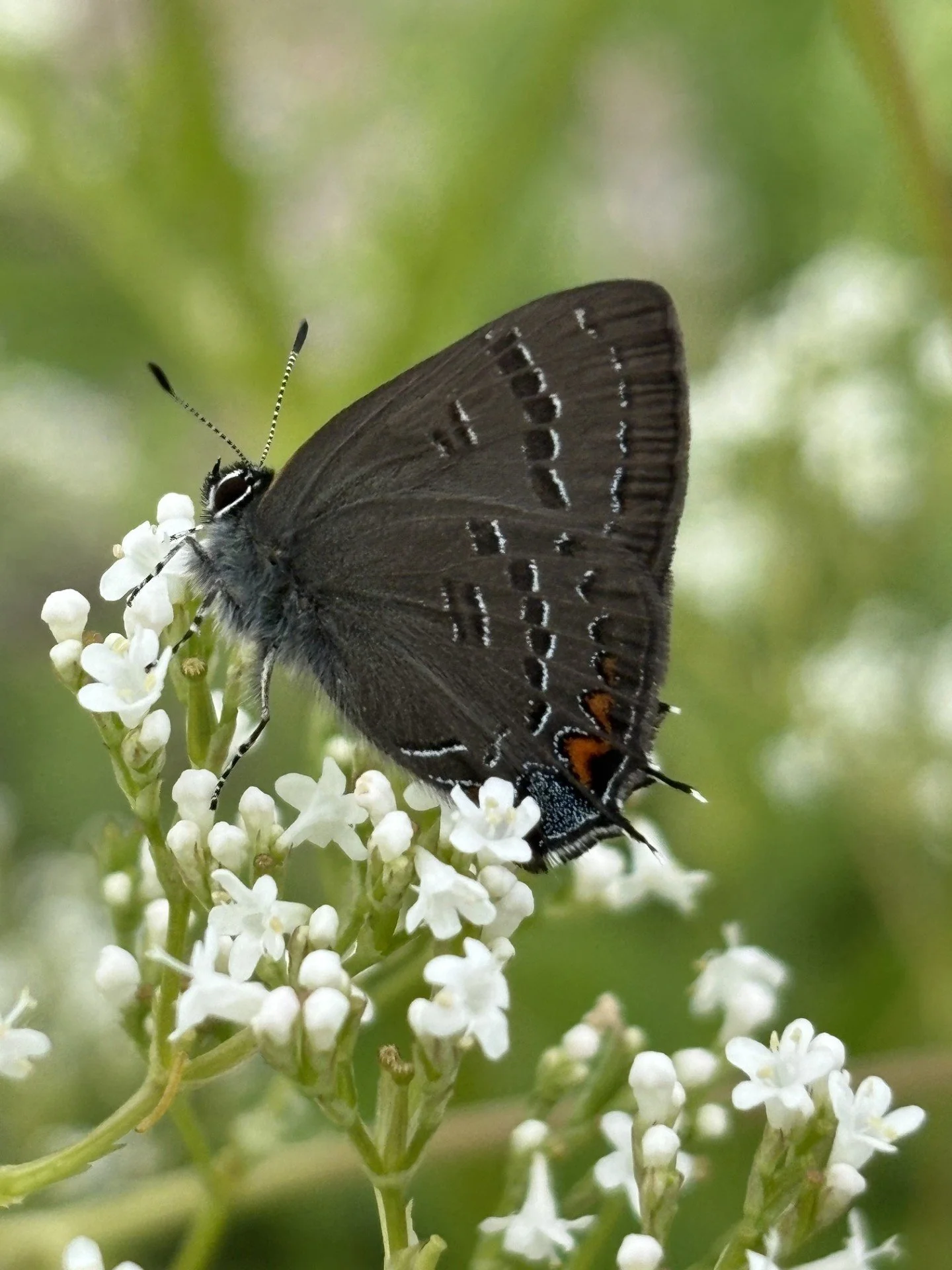
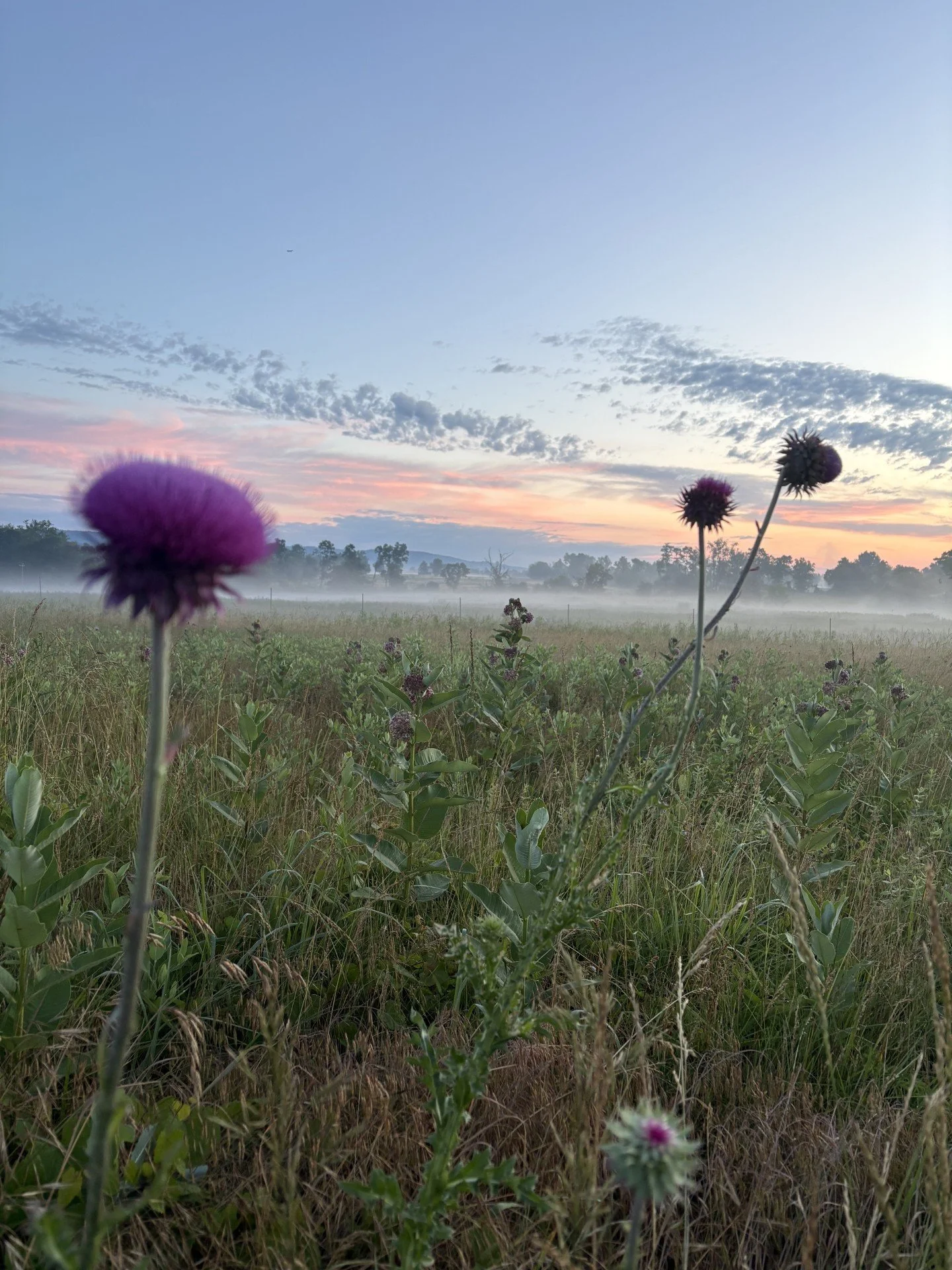
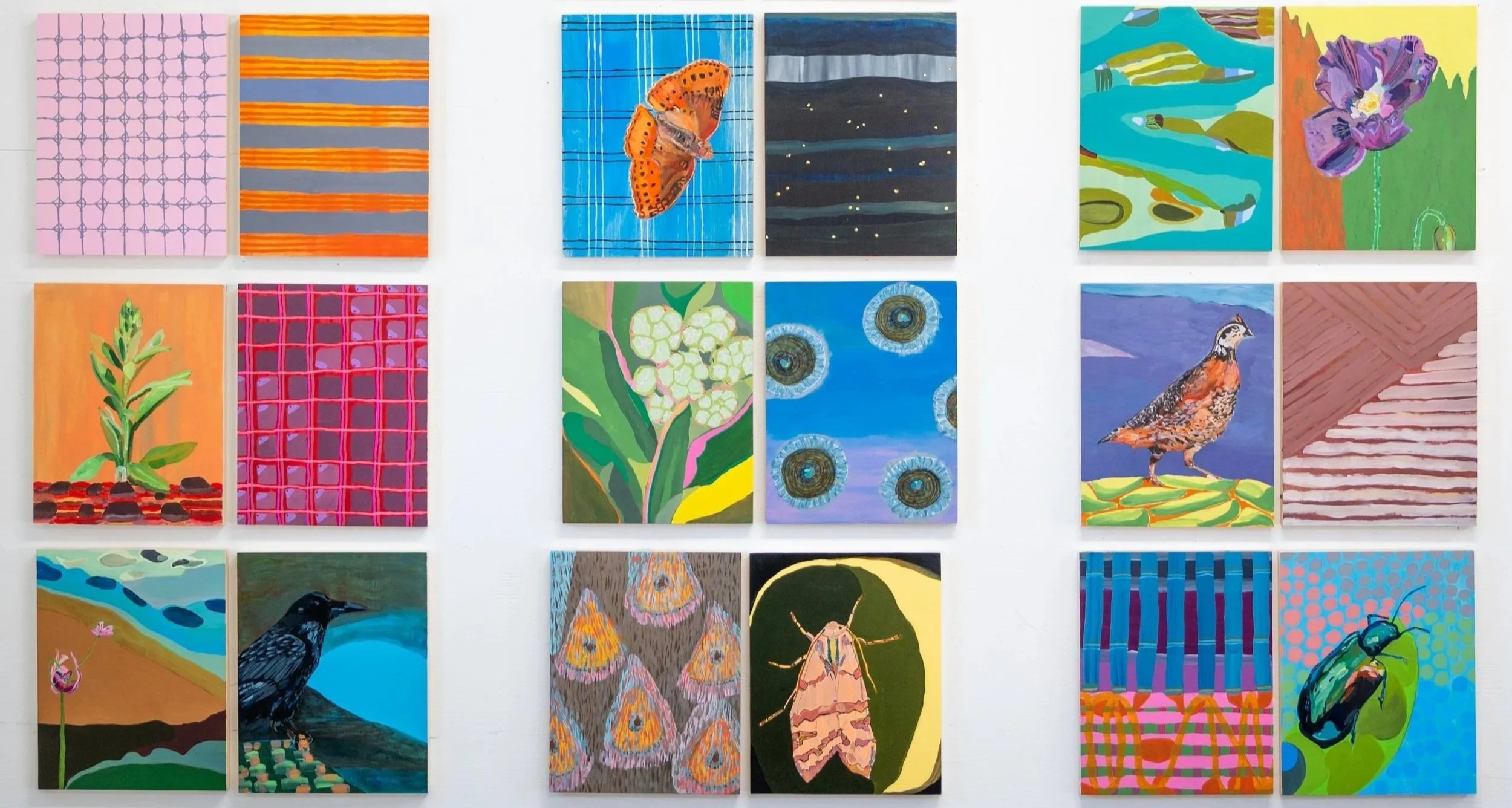
I began each morning making quick studies in watercolor as a warm up to larger compositions. These small studies also helped me to quickly see color relationships that could be explored further. When I took breaks throughout the day to walk the gardens or the trails, I took hundreds of photos. Some of the photos were of the landscape, but mostly I took close-up pictures of things that caught my eye. I used my phone like sticky fly paper to capture images and save them for later. My camera roll filled with botanical art from the library’s special collection along with the patterns of textiles from Bunny Mellon’s swatches, fence lines, chickens’ feathers, and many photos of bees, flies, and beetles on stamens of flowers. I scrolled through the camera roll to revisit the black rat snake and also the pile of yellow hose in the garden. I loved seeing the similarities between the shapes of things. It’s a kind of visual foraging. These photos were the starting point for making this body of work.
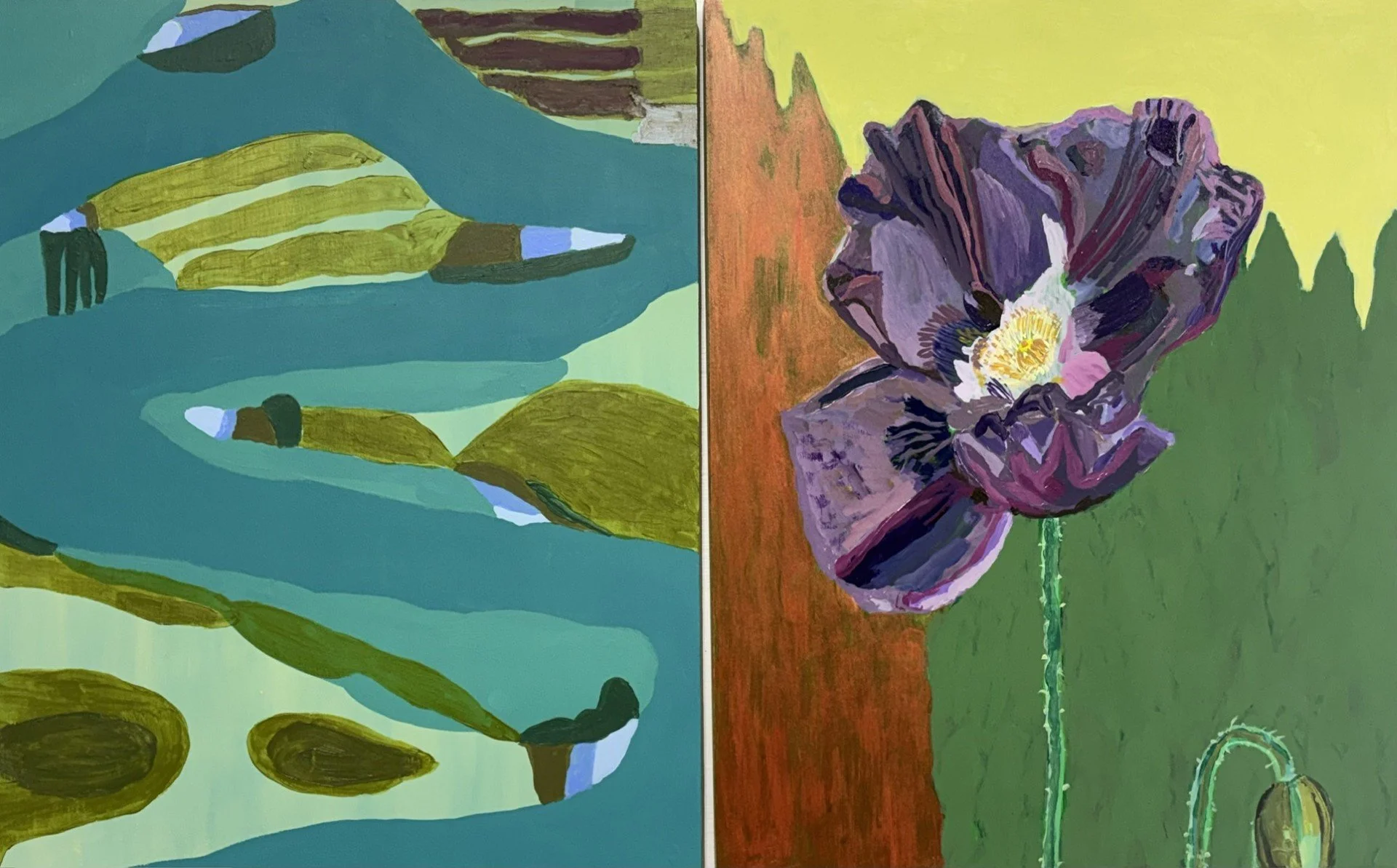
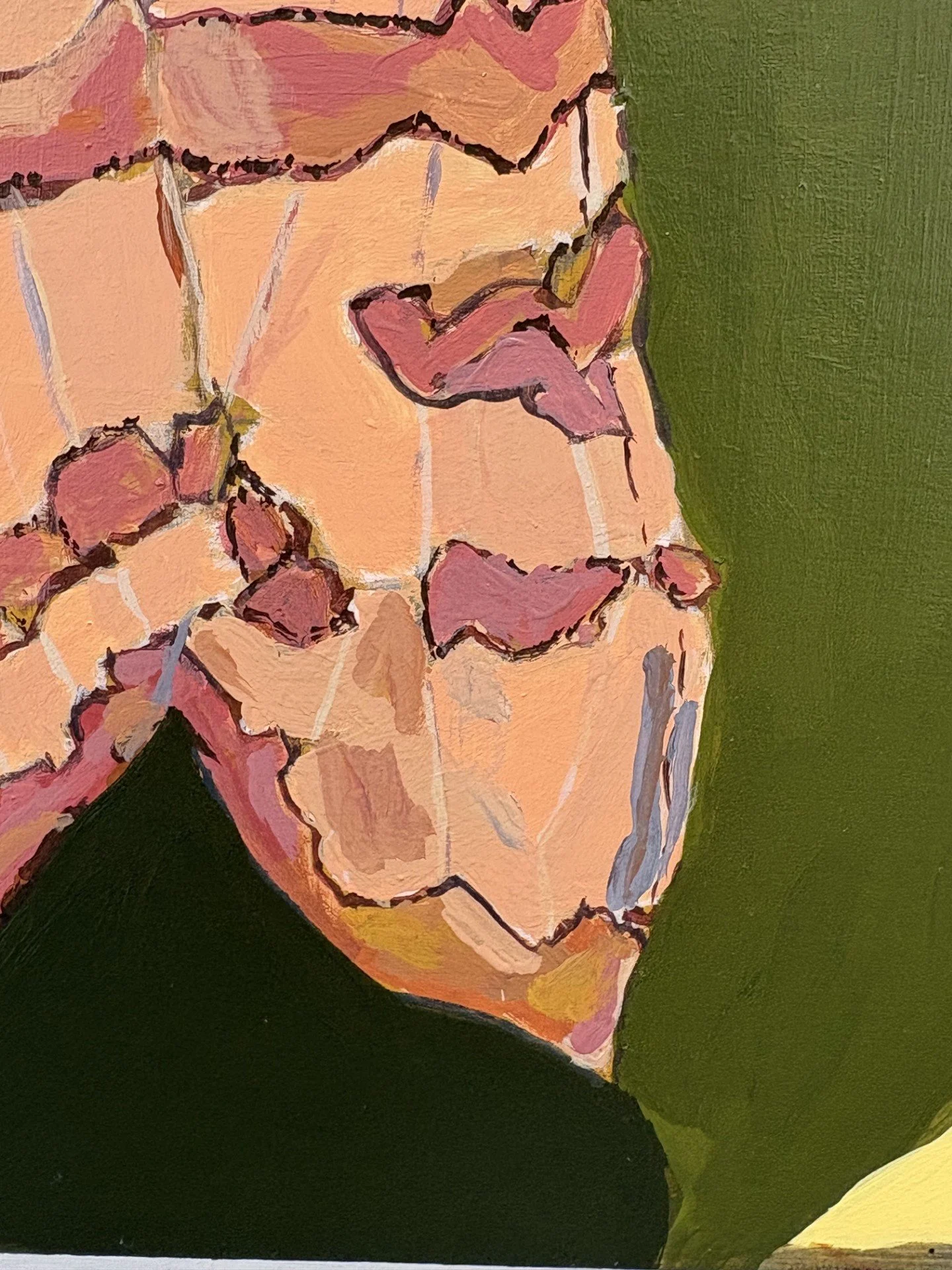
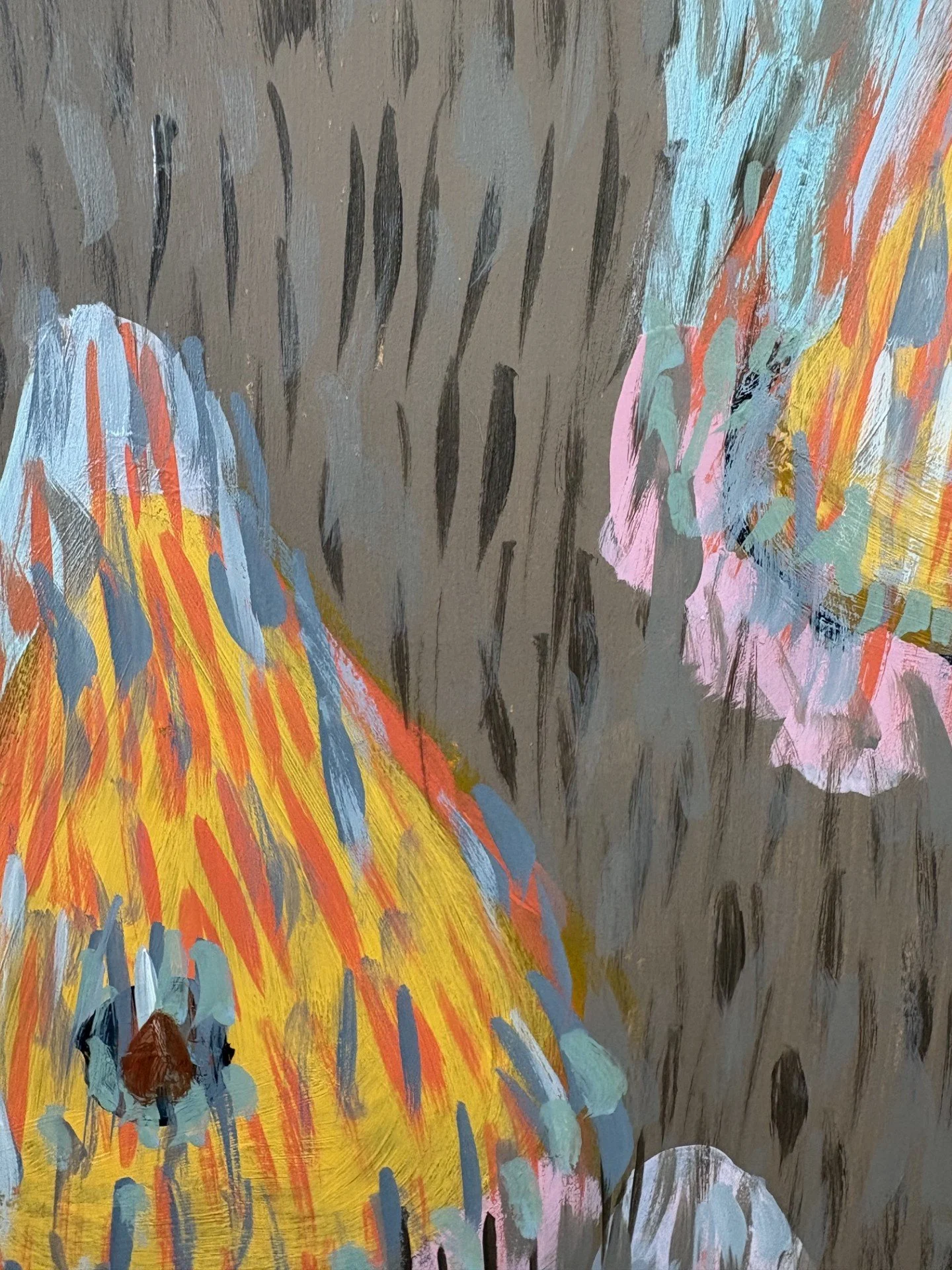
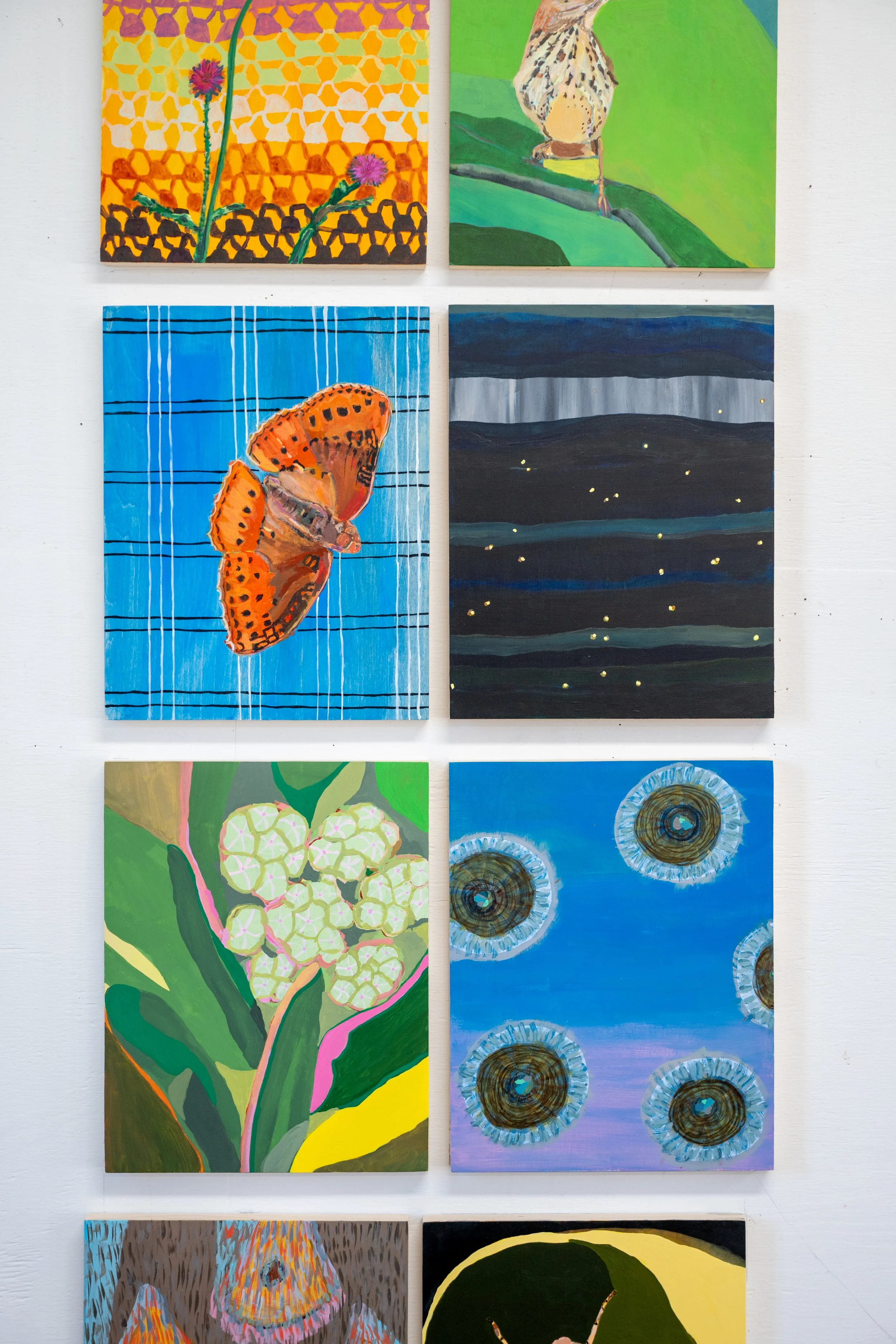
I began with ten panels and painted them in random colors that felt like a survey of OSGF — yellows, greens, blues, some specific patterns of textiles — and discovered very quickly that I would need to order ten more panels. It became a game, nudging all the paintings along, like when you are a kid and try to get several tops spinning before they teeter and fall over. As I started to resolve the pieces, I could see some paintings had interesting formal relationships (color, line, pattern), and so I arranged them in pairs where each painting made its partner a little stronger. Then I would study each painting alone, to be sure all could stand on their own.
I’ve thought about gift giving during my time at OSGF. Both given and received. I think in part because it’s been such a generous gift of time and space to be here these past five weeks. This body of work is a love letter of sorts to Bunny Mellon, and to the foundation.
On our final open studio at OSGF, I closed with this excerpt from Marge Piercy’s “The art of blessing the day.” I’ve been rereading this poem for the last 30 years, and it ran through my head often during my residency.
But the discipline of blessings is to taste
each moment, the bitter, the sour, the sweet
and the salty, and be glad for what does not
hurt. The art is in compressing attention
to each little and big blossom of the tree
of life, to let the tongue sing each fruit,
its savor, its aroma and its use.
Attention is love, what we must give
children, mothers, fathers, pets,
our friends, the news, the woes of others.
What we want to change we curse and then
pick up a tool. Bless whatever you can
with eyes and hands and tongue. If you
can't bless it, get ready to make it new.